
Introduction
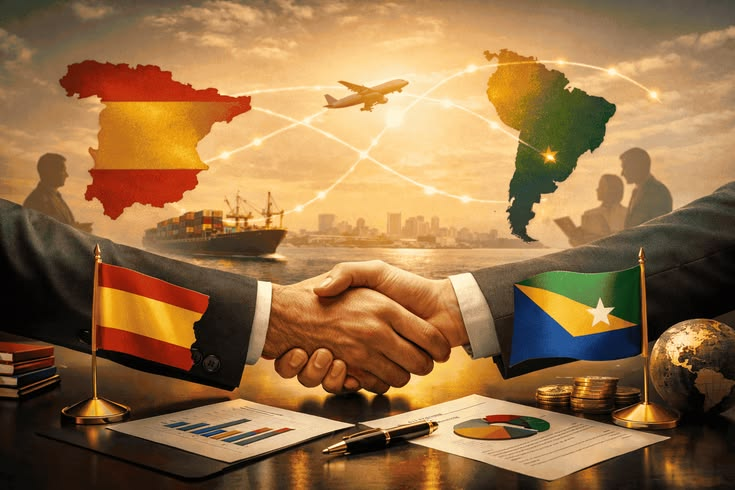
International Relations is a crucial field that helps us understand how countries interact with each other on a global stage. It includes diplomacy, trade, conflict, security, and cooperation between nations. In today’s interconnected world, no country can exist in isolation, which makes International Relations more important than ever before.
From global organizations like the United Nations to regional alliances such as the European Union, International Relations shapes political decisions and economic strategies worldwide. It influences peace agreements, trade deals, military alliances, and even environmental policies. Every major global event is connected to this field in some way.
For beginners, International Relations may seem complex due to theories, political terms, and historical contexts. However, at its core, it simply explains how countries communicate, compete, and cooperate. It also studies how power is distributed among nations and how global stability is maintained.
In modern times, globalization has further increased the importance of International Relations. Countries are now more dependent on each other for resources, technology, and trade. This interdependence makes diplomatic relations essential for peace and development.
This article will guide you through the meaning of International Relations, its importance, how it works, its benefits, challenges, and expert insights. By the end, you will have a clear understanding of how global politics shape our world.
What is International Relations?
International Relations is the study of political, economic, and social interactions between countries. It focuses on how governments, organizations, and global institutions communicate and work together.
It also examines conflicts between nations and the methods used to resolve them peacefully. This includes diplomacy, negotiations, treaties, and international law.
The field covers several key areas:
- Foreign policy of countries
- Global trade and economics
- Security and defense strategies
- Human rights and international law
- Environmental cooperation
International Relations also studies major theories such as realism, liberalism, and constructivism. These theories help explain why countries behave the way they do in different situations.
In simple terms, International Relations is about understanding global behavior and the systems that keep the world connected.
Why is International Relations Important?
International Relations plays a vital role in maintaining global peace and stability. Without it, countries would struggle to resolve conflicts and cooperate on global issues.
One of its main purposes is to prevent wars and encourage peaceful negotiation. Through diplomacy, nations can solve disputes without violence.
It is also important for economic growth. Trade agreements between countries help boost economies and create job opportunities. Global markets depend heavily on international cooperation.
Additionally, International Relations helps address global challenges such as climate change, terrorism, pandemics, and poverty. No single country can solve these problems alone.
Key reasons include:
- Promoting global peace
- Strengthening international trade
- Encouraging diplomatic cooperation
- Managing global crises
- Supporting human rights
Without International Relations, the world would be more divided and unstable.
How International Relations Works
International Relations works through a combination of diplomacy, communication, policies, and global institutions.
Step 1: Diplomacy Between Countries
Diplomacy is the foundation of International Relations. Countries send ambassadors and diplomats to represent their interests abroad and maintain communication.
Step 2: Formation of Foreign Policies
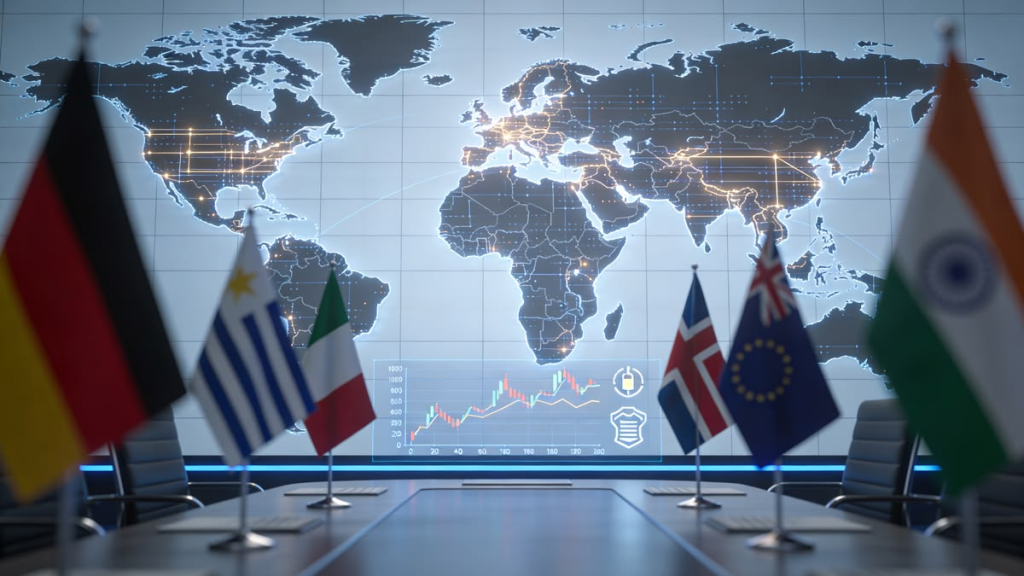
Each country develops its foreign policy based on national interests, security, and economic goals. These policies guide international interactions.
Step 3: Role of International Organizations
Organizations like the United Nations, World Bank, and World Trade Organization help regulate global cooperation and resolve disputes.
Step 4: Trade and Economic Relations
Countries establish trade agreements to exchange goods and services. This strengthens economic ties and promotes development.
Step 5: Conflict Resolution
When conflicts arise, negotiations, sanctions, or peace talks are used to resolve issues peacefully.
This structured system ensures that international relations remain balanced and effective.
Benefits of International Relations
International Relations provides several important advantages for countries and societies.
- Promotes global peace and stability
- Encourages economic growth through trade
- Improves diplomatic communication
- Helps solve global issues collectively
- Strengthens international cooperation
- Supports cultural exchange and understanding
- Reduces chances of conflict and war
It also allows smaller countries to have a voice in global matters through international organizations.
Disadvantages / Risks of International Relations
Despite its benefits, International Relations also has some challenges and risks.
- Power imbalance between strong and weak countries
- Economic dependency on powerful nations
- Diplomatic conflicts and misunderstandings
- Risk of international sanctions
- Influence of political agendas
- Possibility of global tensions and wars
Sometimes, countries prioritize national interests over global cooperation, which creates conflicts.
Common Mistakes to Avoid in International Relations Studies
Students and beginners often make mistakes when understanding International Relations.
One common mistake is focusing only on current events without understanding historical context. History plays a major role in shaping global politics.
Another mistake is ignoring international theories. These theories help explain why countries behave differently in similar situations.
People also tend to oversimplify global conflicts. In reality, international issues are complex and involve multiple factors.
Avoid these mistakes:
- Ignoring historical background
- Overlooking political theories
- Oversimplifying global conflicts
- Relying on single sources of information
- Not understanding economic factors
A balanced approach is essential for proper understanding.
FAQs about International Relations
1. What is the main purpose of International Relations?
The main purpose is to promote cooperation, peace, and stability between countries while managing conflicts and global issues.
2. Is International Relations only about politics?
No, it also includes economics, culture, security, environment, and global organizations.
3. What are the major theories in International Relations?
The main theories include realism, liberalism, and constructivism, which explain global behavior.
4. Why do countries need diplomacy?
Diplomacy helps countries communicate, solve disputes, and maintain peaceful relationships.
5. Can International Relations prevent wars?
While it cannot completely eliminate wars, it significantly reduces the chances through negotiation and cooperation.
6. What careers are available in International Relations?
Careers include diplomat, policy analyst, international lawyer, journalist, and NGO worker.
Expert Tips & Bonus Points
To understand International Relations better, focus on global news regularly. This helps you stay updated with current events.
Learn about international organizations and their roles in global governance. This provides practical knowledge of how systems work.
Study historical events such as world wars and treaties. These events shaped modern international systems.
Tips include:
- Read international news daily
- Understand global organizations
- Study political theories deeply
- Follow economic trends
- Analyze real-world case studies
Practical understanding is more important than memorization in this field.
Conclusion
International Relations is a vital field that connects countries and shapes the modern world. It helps maintain peace, encourage trade, and solve global challenges through cooperation and diplomacy.
In today’s globalized world, no country can function independently. Every nation depends on others for resources, technology, and security. This interdependence makes International Relations more important than ever.
Understanding this subject gives us insight into how global decisions are made and how they affect our daily lives. From economic agreements to peace treaties, everything is influenced by international interactions.
Although it has challenges such as political conflicts and power imbalances, International Relations remains essential for global stability. With proper diplomacy and cooperation, countries can work together to build a better future.
For students, professionals, and curious learners, studying International Relations opens doors to understanding the complexity of world politics and the importance of global unity. It is not just an academic subject but a real-world system that shapes the destiny of nations and humanity as a whole.