
Introduction
Tech innovations are rapidly changing the way humans live, work, and communicate. From smart devices to artificial intelligence systems, technology continues to evolve at an incredible pace. These advancements are not only improving efficiency but also reshaping industries globally. Today, businesses and individuals rely heavily on modern tools to stay competitive in a digital-first world.
The rise of tech innovations has created new opportunities in education, healthcare, transportation, and communication. As a result, understanding these developments is essential for beginners and professionals alike. Moreover, these innovations are no longer limited to experts; they are part of everyday life.
In this article, we will explore what tech innovations are, why they matter, and how they impact different sectors. You will also learn their benefits, risks, common mistakes, and expert insights. By the end, you will have a clear understanding of how tech innovations are shaping the future.
What is Tech Innovations?
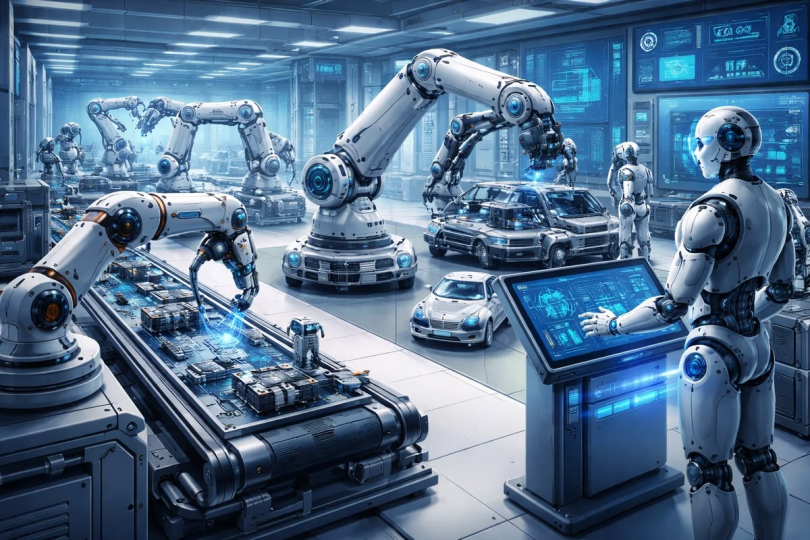
Tech innovations refer to the development and application of new technologies that improve existing systems or create entirely new solutions. These innovations include advancements in software, hardware, artificial intelligence, cloud computing, robotics, and digital communication tools.
In simple terms, tech innovations are breakthroughs that make tasks easier, faster, and more efficient. For example, smartphones, smart homes, and automation systems are all results of technological innovation. They continue to evolve as researchers and developers discover new possibilities.
Why is Tech Innovations Important?
Tech innovations play a crucial role in modern society. They improve productivity, enhance communication, and solve complex problems. Businesses use innovative technologies to streamline operations and reduce costs.
Furthermore, tech innovations contribute to economic growth by creating new industries and job opportunities. They also improve quality of life by offering better healthcare solutions, smarter transportation systems, and improved access to information.
Without continuous innovation, societies would struggle to keep up with global demands and competition.
Detailed Step-by-Step Guide
Understanding the Need for Innovation
The first step in tech innovations is identifying problems that need solutions. Developers and engineers analyze existing systems to find gaps and inefficiencies.
Research and Development
Once a problem is identified, the next step is research. This involves studying technologies, market needs, and user behavior to design better solutions.
Designing Solutions
In this phase, prototypes are created. Engineers design software or hardware models that address the identified problem.
Testing and Improvement
After development, products are tested under real-world conditions. Feedback is collected to improve performance and usability.
Deployment and Implementation

Once testing is complete, the innovation is launched in the market. Businesses and users begin adopting the new technology.
Continuous Upgradation
Tech innovations do not stop after launch. Continuous updates and improvements ensure better performance and long-term success.
Benefits of Tech Innovations
- Improves efficiency in industries and daily life
- Enhances communication across the globe
- Creates new job opportunities and industries
- Supports better healthcare and medical advancements
- Increases productivity and automation
- Encourages global connectivity and collaboration
- Reduces human effort in repetitive tasks
Disadvantages / Risks
- High development and implementation costs
- Risk of data privacy and security issues
- Job displacement due to automation
- Dependence on technology for daily tasks
- Cybersecurity threats and hacking risks
- Digital divide between developed and underdeveloped regions
Common Mistakes to Avoid
One common mistake is ignoring user needs during development. Many innovations fail because they are not user-friendly. Another mistake is focusing only on technology without considering practical applications.
Businesses also make the error of not investing in proper testing. This can lead to system failures and security issues. Additionally, neglecting updates and maintenance reduces long-term effectiveness.
FAQs
What are tech innovations?
Tech innovations are new technologies or improvements that enhance existing systems or create new solutions.
Why are tech innovations important?
They improve efficiency, productivity, and communication while driving economic growth and development.
How do tech innovations affect daily life?
They make life easier through smartphones, smart devices, online services, and automation systems.
What are examples of tech innovations?
Examples include artificial intelligence, cloud computing, robotics, and smart home devices.
Are tech innovations risky?
Yes, they can pose risks such as cybersecurity threats, privacy issues, and job displacement.
How can businesses benefit from tech innovations?
Businesses can reduce costs, improve efficiency, and increase productivity using modern technologies.
Expert Tips & Bonus Points
Experts recommend staying updated with the latest trends in technology. Continuous learning is essential in a fast-changing digital world.
Businesses should invest in scalable solutions that can grow over time. It is also important to focus on cybersecurity from the beginning of any project.
Another key tip is to balance innovation with practicality. Not every new technology is suitable for every situation, so careful evaluation is necessary.
Conclusion
Tech innovations are shaping the future of human society in powerful ways. From improving healthcare systems to transforming communication, their impact is everywhere. As technology continues to evolve, its influence will only increase.
Understanding tech innovations is important for individuals and businesses alike. It helps in adapting to change and staying competitive in a digital world. While there are risks involved, the benefits far outweigh the challenges when used responsibly.
In the coming years, we can expect even more advanced technologies that will redefine how we live and work. Embracing innovation today will ensure a smarter and more efficient future for everyone.